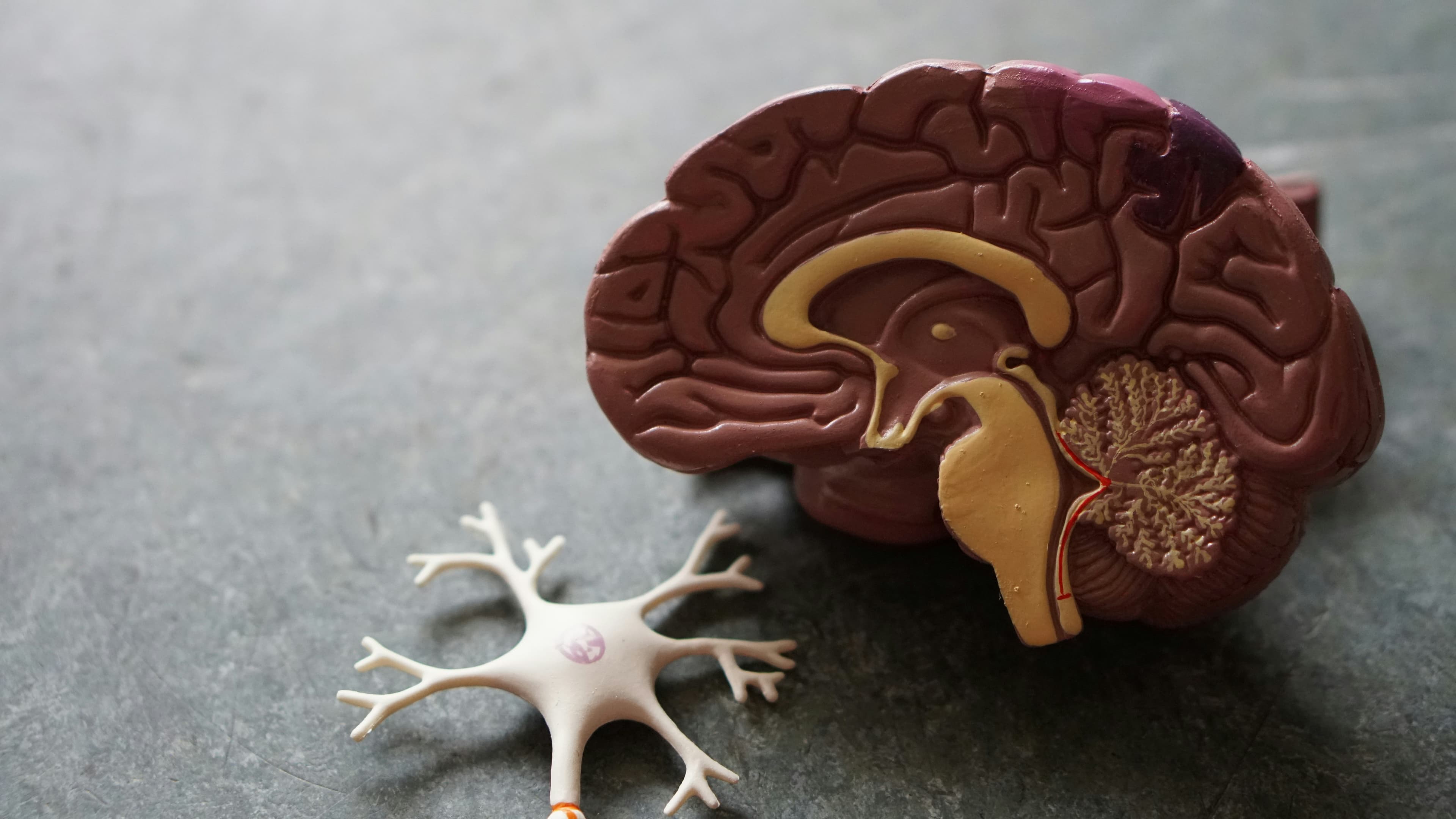
GLP-1 medications reduce appetite but do not automatically stop emotional eating. Here is how to understand the difference and build practical strategies that actually work.
If you are on a GLP-1 medication and still find yourself reaching for snacks when stress hits or bored, you are not alone. GLP-1 agonists like semaglutide are effective at reducing appetite and slowing gastric emptying, but emotional eating is a separate mechanism that lives in the brain, not the stomach. Understanding how these two forces interact is the first step toward building a healthier relationship with food.
What Emotional Eating Actually Is
Emotional eating is eating in response to feelings rather than physical hunger. It is triggered by stress, anxiety, loneliness, boredom, or even celebration. Unlike regular hunger, which builds gradually and fades once you eat, emotional hunger comes on suddenly and often demands specific foods, usually high in sugar, fat, or salt.
The GLP-1 medication works on the gut-brain axis to signal fullness, but it does not rewrite the emotional patterns that drive cravings in the first place. That is why many people on these medications still struggle with episodes of emotional eating. The medication reduces the hunger signal, but it does not necessarily calm the urge to eat when you are not actually hungry.
Why GLP-1 Alone Does Not Stop Emotional Eating
GLP-1 agonists target the homeostatic hunger system, which is the body's energy regulation pathway. Emotional eating, however, is largely driven by the hedonic hunger system, which controls pleasure and reward responses to food. These are different neurological circuits.
When you are stressed, the brain releases cortisol, which can override satiety signals and push you toward comfort foods even when your stomach is full. GLP-1 medications reduce overall appetite, but they do not eliminate stress-driven cravings. This is not a flaw in the treatment. It is simply that the medication was designed to address one piece of the puzzle.
Recognizing this distinction matters because it allows you to approach emotional eating as a behavioral and psychological challenge, not a sign that your medication is failing.
Practical Strategies to Manage Emotional Cravings
Notice the difference between physical and emotional hunger. Before eating, pause and ask yourself whether you ate recently and whether you have any physical signs of hunger like a growling stomach or low energy. Emotional hunger tends to come on fast and crave specific foods. Physical hunger builds gradually and is satisfied by most meals.
Keep a simple food and mood journal. Writing down what you eat, when, and how you felt before eating gives you data you can actually use. OzemPro makes this easy by letting you log symptoms and emotional states alongside your meals in one place, so patterns become visible over time.
Build a short pause before eating. When a craving hits, give yourself a five-minute rule. Distract yourself with a walk, a glass of water, or calling someone. Often the wave passes. If it does not, you at least made the choice consciously rather than reacting automatically.
Address the underlying triggers. Emotional eating is rarely about food. If stress is your main driver, look at sleep quality, workload, and relationships. If boredom is the issue, schedule activities that keep your hands and mind occupied. OzemPro lets you track mood and sleep alongside your eating patterns, which can help surface connections between your emotional state and food choices.
Do not keep trigger foods around. GLP-1 reduces appetite, but willpower is still a limited resource. If chips or cookies are in the pantry, you are more likely to eat them during an emotional moment. Replace them with harder-to-eat snacks like pre-cut vegetables or nuts in the shell.
Practice mindful eating when you do eat. Sit down, put the phone away, and focus on the food. Eating quickly while distracted makes it harder for your brain to register satisfaction. GLP-1 slows digestion, so you have more time to notice when you are actually full.
How to Talk About This With Your Doctor
Many patients feel embarrassed bringing up emotional eating with their prescriber. Do not. It is one of the most common reasons people struggle to lose weight even when their medication is working as intended.
Bring your mood and food logs to your appointment. Show the patterns. Your doctor may suggest a referral to a therapist who specializes in eating behaviors, or they may adjust your treatment plan. Some patients benefit from a slightly higher dose, which can further blunt cravings, while others may need additional support for anxiety or depression that is driving the emotional eating.
There is no shame in asking for help here. Emotional eating is not a character flaw. It is a learned response that can be unlearned with the right tools and support.
Setting Realistic Expectations
You will not eliminate emotional eating overnight, and that is okay. The goal is not perfection. It is progress. Some weeks will be better than others. If you have a difficult day and eat emotionally, that does not erase the work you have done. What matters is that you notice it, learn from it, and keep going.
GLP-1 gives you a biological edge, but the psychological work still matters. Think of the medication as giving you more room to make good choices, not as something that should make every decision effortless.
Tracking your progress helps you see the trajectory over time rather than getting caught up in individual setbacks. OzemPro keeps all your logs in one place so you can look back at a month and actually see improvement, even if some days were harder than others. Take a look at how it works.
When to Seek Extra Support
If emotional eating feels out of control, if you are regularly eating to the point of discomfort, or if you notice it is getting worse rather than better after several weeks on the medication, reach out to your healthcare provider. You may be dealing with binge eating disorder or another condition that needs a different approach.
Therapists trained in Cognitive Behavioral Therapy for eating disorders have strong evidence behind them for treating emotional and binge eating. Some people also find help through support groups or mindful eating programs. The right combination is different for everyone, but the first step is acknowledging that you need more than the medication alone.
Your GLP-1 treatment is a powerful tool, but long-term success usually involves combining it with an understanding of your own eating patterns, some practical coping strategies, and support when you need it. That is not a failure of the medication. It is a complete approach to a complex problem.
Aviso: Este conteúdo é apenas informativo e não substitui orientação médica profissional. Consulte sempre seu médico antes de iniciar, alterar ou interromper qualquer tratamento.